


Introduction: The Overlooked Role of the Body in Chronic Pain Chronic pain affects more than 1.5 billion people worldwide and is considered one of the greatest health challenges of our time. Traditional treatments focus on physical injury, inflammation, or degeneration. Yet research shows that many chronic pain conditions persist even when scans or lab tests

Have you ever wondered why certain memories still feel so raw, even after years have passed? Or why anxiety and depression sometimes seem immune to logic or willpower? If so, you’re not alone—and more importantly, there are effective ways to heal that go beyond traditional talk therapy. Trauma, anxiety, and depression are among the most

Somatic therapy aims to change how your nervous system organizes threat, emotion, and connection — not just how you manage symptoms when they appear. Coping skills are valuable, but they’re typically state regulators: practices you deploy to get through a wave of anxiety, anger, or numbness. Somatic therapy goes deeper by targeting the mechanisms that produce those waves

I. Introduction Do you find yourself stuck in your head, spinning through “what ifs,” playing out worst-case scenarios, or second-guessing every decision? That’s fear-based thinking. And while it might feel like a protective strategy, over time it creates a sense of inner paralysis. You may feel like you’re constantly trying to “figure it out,” but
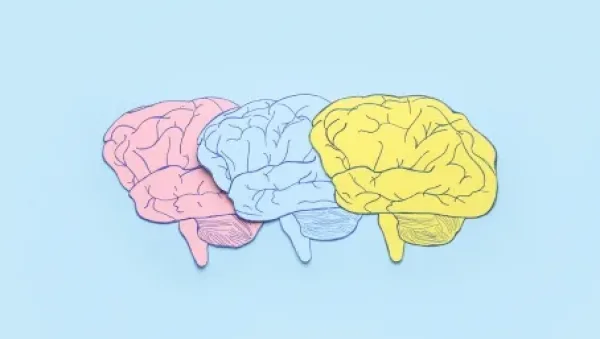
Introduction: Why Combining Approaches Matters Trauma is not only a story we remember but also an imprint that lives in our nervous system. Traditional talk therapies often focus on insight and meaning, while somatic therapies emphasize bodily release. Yet neither alone is always sufficient. Healing requires both access to the implicit memory stored in the

I. Introduction Have you ever felt like no matter how much love or reassurance you receive, a part of you still fears being left behind? Do you often wonder, “Would people still love me if they really knew me?” If you’ve carried the weight of feeling unlovable, or constantly worry that others might reject or
Short Answer Brainspotting is effective even when memories are blurry, incomplete, or inaccessible. The method works with the body and nervous system, not just with conscious recollection. By using eye positions to access subcortical brain activity and combining that with the therapist’s attuned presence, Brainspotting enables processing and resolution of trauma that never needed a

I. Introduction Have you ever asked yourself, “Why do I keep ending up with people who can’t meet me emotionally?” Maybe the relationship starts off passionate and promising, but soon you find yourself doing all the emotional work. You open up, lean in, try harder—while the other person stays distant, inconsistent, or emotionally shut down.

I. Introduction Do you constantly feel like you’re walking on a tightrope—trying to get everything just right so you don’t mess up? Do mistakes feel more like threats than learning opportunities? If so, you’re not alone. Many people who struggle with perfectionism appear to have it all together on the outside—successful, driven, highly responsible—but inside, there’s

Choosing between somatic therapy and talk therapy isn’t about declaring a winner — it’s about matching the approach to how your nervous system actually experiences stress, emotion, and threat. If your symptoms feel body-led — startle surges, tight chest, jaw clenching, gut knots, numbness or shutdown that arrive before you can think — a bottom-up (body-oriented) start often creates