Services
PTSD Therapy in Denver
- Still reacting to something that is over?
- Are the nights worse than the days?
PTSD therapy in Denver or anywhere in Colorado via Zoom

- Still reacting to something that is over?
- Are the nights worse than the days?
PTSD therapy in Denver or anywhere in Colorado via Zoom
Flashbacks, hypervigilance, nightmares and numbness are not signs of weakness or of losing your mind. They are what happens when an experience is stored in its raw form, without the timestamp that tells the nervous system it has passed.
During overwhelming experiences the brain’s usual filing process is interrupted. The memory gets stored with the sights, sounds, smells and body sensations still attached — and still live.
After that, anything resembling the original can set off the whole response as though it were happening now: a smell, a tone of voice, a doorway, a date on the calendar.
This is why insight alone rarely resolves PTSD. You can know with complete certainty that you are safe and still have a body that flatly disagrees.

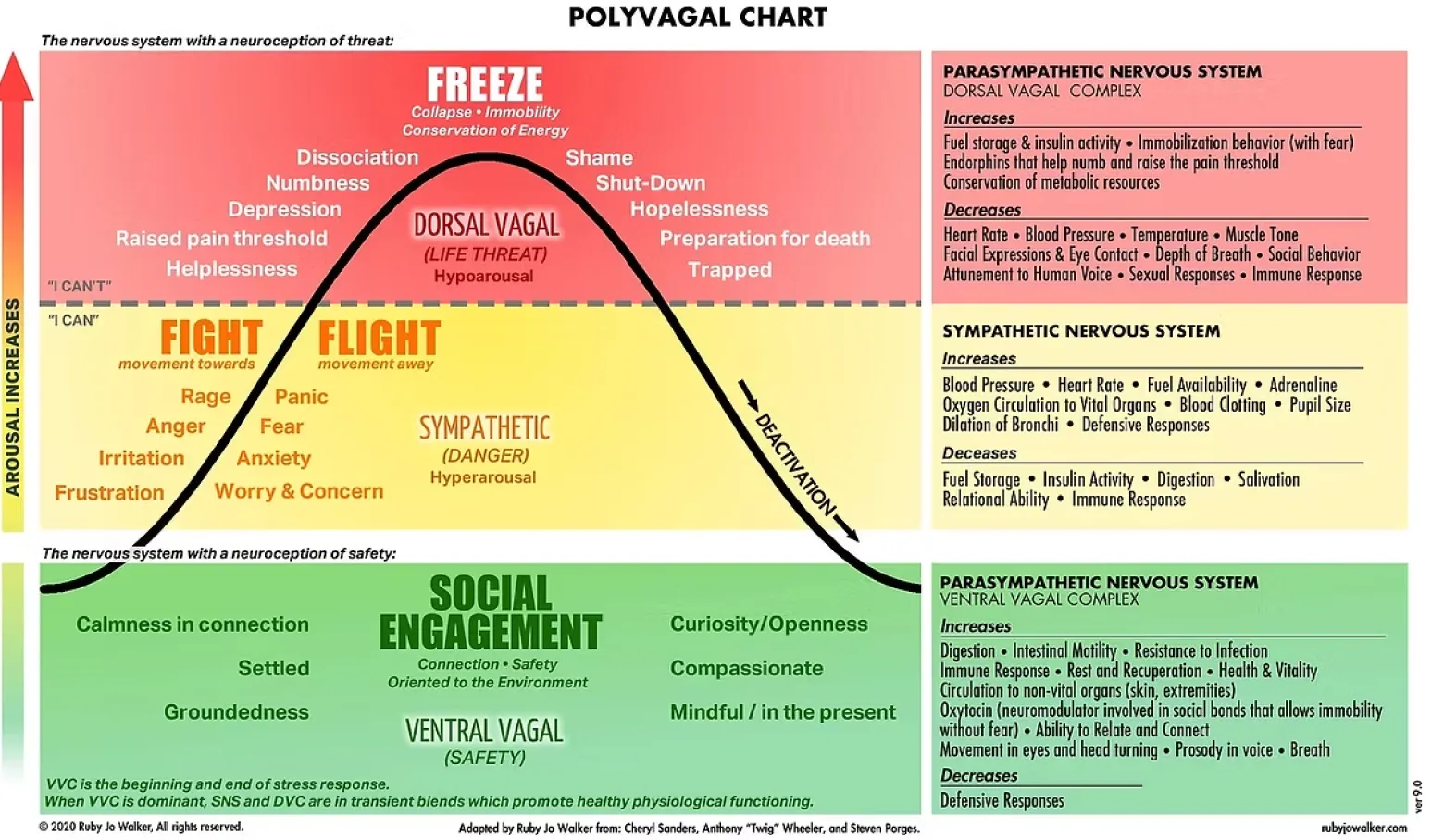
PTSD is not a measure of how strong you are or how long it has been. It is about whether the experience was ever processed — and processing is something the nervous system does, not something you can decide to do.
EMDR and Brainspotting are built for exactly this: they help the brain complete the filing that was interrupted, so the memory becomes something that happened rather than something happening.
EMDR is among the most researched trauma treatments available and is recommended for PTSD in international treatment guidelines. For trauma more broadly, see trauma therapy.
Trauma work moves in a specific order, and the order matters:

Imagine the memory being available without being live — something you can think about, or not, without your body joining in. People rarely describe PTSD treatment as forgetting. They describe it as the event finally taking its place in the past, and getting their attention and their nights back.

If it still has this much control over your life, that is not something you have to keep managing alone.
I work with PTSD and complex trauma using EMDR, Brainspotting and somatic therapy, in Denver and online across Colorado.
Nothing gets pushed. We work at whatever pace your system can actually hold.
Schedule a free 30-minute consultation to see whether this approach fits.
Common questions about PTSD treatment and what it involves.