

Trauma can leave a person feeling divided inside. One part may want closeness while another pulls away. One may understand that the danger has passed, yet another remains tense, watchful, or ready to react. These conflicting responses are not signs of weakness. They are often protective patterns that developed when the mind and body were trying to survive overwhelming experiences.
IFS therapy offers a compassionate way to understand these inner conflicts. Instead of treating anxiety, numbness, shame, anger, or avoidance as problems to eliminate, the approach explores what purpose each response has served. Trauma recovery then becomes less about fighting symptoms and more about building trust within the internal system.
What Is IFS Therapy?
Internal Family Systems, commonly called IFS therapy, is a psychotherapy model developed by Richard Schwartz. It views the mind as naturally made up of different parts, each with its own emotions, beliefs, memories, and protective roles. Having parts does not mean having multiple personalities. It describes the ordinary experience of feeling pulled in different directions.
The model also proposes that every person has a core Self. In IFS, the Self is associated with qualities such as curiosity, compassion, calm, clarity, confidence, courage, creativity, and connection. Trauma can make access to these qualities difficult, but the Self is not considered damaged or lost.
The aim of IFS therapy is not to remove parts. It is to help them feel understood, release extreme roles, and develop a more balanced relationship with the Self.
How Trauma Shapes the Internal System
After trauma, parts may take on intense responsibilities to prevent further pain. Some work proactively, attempting to control situations before anything dangerous happens. Others respond when distress has already broken through.
IFS commonly describes three broad roles:
- Managers try to maintain safety through planning, perfectionism, people-pleasing, emotional control, overworking, or constant vigilance.
- Firefighters react quickly to emotional pain through distraction, anger, withdrawal, impulsive behavior, substance use, or other forms of immediate relief.
- Exiles carry vulnerable emotions and memories, including fear, shame, grief, loneliness, and helplessness.
These labels are not diagnoses. They provide a practical language for understanding why someone may repeat a behavior even when it creates difficulties. A highly critical part, for example, may believe that harsh self-monitoring prevents rejection. A numbing part may be trying to keep traumatic memories from becoming overwhelming.
How Does IFS Therapy Help With Trauma?
IFS therapy helps by changing the relationship between a person and their trauma responses. Instead of asking, “How do I stop feeling this way?” therapy may begin with, “What is this reaction trying to protect me from?”
This shift reduces shame and creates room for curiosity. A therapist may help the client notice a protective response, locate how it feels in the body, and explore what it fears would happen if it relaxed. The goal is not to force the part aside. It is to understand its concerns and establish enough internal safety for deeper work.
When protectors are ready, the client may gently connect with younger or more vulnerable parts carrying traumatic pain. This process is carefully paced. Memories do not need to be relived in full detail for the work to be meaningful. The emphasis remains on witnessing what happened, responding with compassion, and helping burdened parts recognize that the present is different from the past.
Research on IFS and trauma is developing. Early studies have reported promising findings related to PTSD symptoms, self-compassion, and emotion regulation, but the overall evidence base remains limited, and larger controlled studies are still needed. The IFS Institute’s research overview describes IFS as an emerging approach rather than a conclusively established treatment for every clinical condition.
What Happens During an IFS Therapy Session?
An IFS session often begins with a current concern, such as anxiety, emotional shutdown, relationship conflict, or a recurring memory. The therapist helps the client slow down and notice which parts are active.
A session may include:
- identifying thoughts, emotions, impulses, and physical sensations;
- creating some distance from an intense reaction without suppressing it;
- exploring the protective intention behind a part’s behavior;
- asking what the part needs in order to feel safer;
- connecting with vulnerable parts when the system is ready;
- helping parts update beliefs formed during earlier experiences.
This work is collaborative. The therapist does not decide what a part means or push the client toward a predetermined interpretation. The client’s internal experience guides the pace.
At Embodied Integrations, IFS therapy can also be integrated with body-based awareness. This can be especially relevant for trauma because protective responses often appear not only as thoughts but also as muscle tension, shallow breathing, heaviness, restlessness, numbness, or a sense of disconnection.
Is IFS Therapy Safe for Complex Trauma?
IFS therapy can be adapted for complex trauma, but safety depends on thoughtful pacing, a stable therapeutic relationship, and the clinician’s training. Complex trauma may involve dissociation, intense emotional shifts, difficulty trusting others, or limited tolerance for body sensations and memories. Moving too quickly toward vulnerable material can increase distress.
A trauma-informed therapist typically spends time building internal and external resources before approaching painful experiences. Protective parts are consulted rather than bypassed. If a part signals that the work feels unsafe, the session can return to grounding, orientation, or present-moment awareness.
IFS is not automatically the right approach for every person. Current symptoms, personal preferences, stability, support systems, and treatment history all matter. Someone experiencing a mental health crisis, severe dissociation, psychosis, or immediate safety concerns may require additional assessment and a broader treatment plan.
Do You Have to Talk About Every Trauma Memory?
No. IFS therapy does not require a person to describe every event in detail. Some clients share a clear narrative, while others work primarily with emotions, body sensations, images, or beliefs connected to a part.
The clinically important question is not how much information is disclosed. It is whether the client can remain sufficiently present and whether the internal system feels ready for the work. A person may begin with a current pattern, such as freezing during conflict, and gradually discover the history connected to it. Nothing has to be forced.
This can make IFS appealing to people who understand their trauma intellectually but continue to experience strong emotional or physical reactions. The work engages the protective system directly rather than relying only on explanation.
How Long Does IFS Therapy Take?
There is no universal timeline. The length of therapy depends on the nature of the trauma, current symptoms, treatment goals, available support, and how safely the person can approach vulnerable material.
A single-event trauma may involve a different process from years of relational trauma. Some people notice early changes in self-awareness and emotional regulation, while deeper patterns require longer-term work. Progress is not measured only by the disappearance of symptoms. It may also appear as less inner conflict, faster recovery after triggers, healthier boundaries, or greater compassion toward oneself.
Regular review helps ensure that therapy remains purposeful. The therapist and client can discuss what is changing, what still feels stuck, and whether the current approach continues to fit.
How Is IFS Different From Traditional Talk Therapy?
Traditional talk therapy is a broad category, and many approaches already include compassion, insight, and emotional processing. The distinctive feature of IFS therapy is its structured focus on parts and Self-led relationships.
Rather than debating whether a thought is logical, IFS explores which part holds that thought and why it needs to believe it. Instead of framing avoidance as resistance, it approaches avoidance as protection. This perspective can make difficult behaviors more understandable without denying their consequences.
IFS may also be combined with somatic therapy, EMDR, Brainspotting, or other trauma-focused approaches. Integration should be based on the client’s needs rather than on the assumption that one method works for everyone.
What Can Recovery Look Like?
Trauma recovery does not erase the past. It changes how the past lives in the present. A trigger may become less intense, or a person may recognize it sooner and respond with greater choice. An inner critic may soften. Numbing may become less necessary. Vulnerability may feel more manageable because protective parts no longer have to work alone.
The practical value of IFS therapy lies in this movement from internal conflict toward cooperation. Parts that once seemed disruptive can be understood as attempts to preserve safety, dignity, connection, or control. As trust grows, they may become willing to take on less extreme roles.
For people interested in a compassionate, experiential approach to trauma recovery, IFS therapy in Denver and online across Colorado offers a way to explore these patterns with professional support. The process is not about fixing a defective self. It is about helping the entire internal system recognize that healing, connection, and choice are possible.
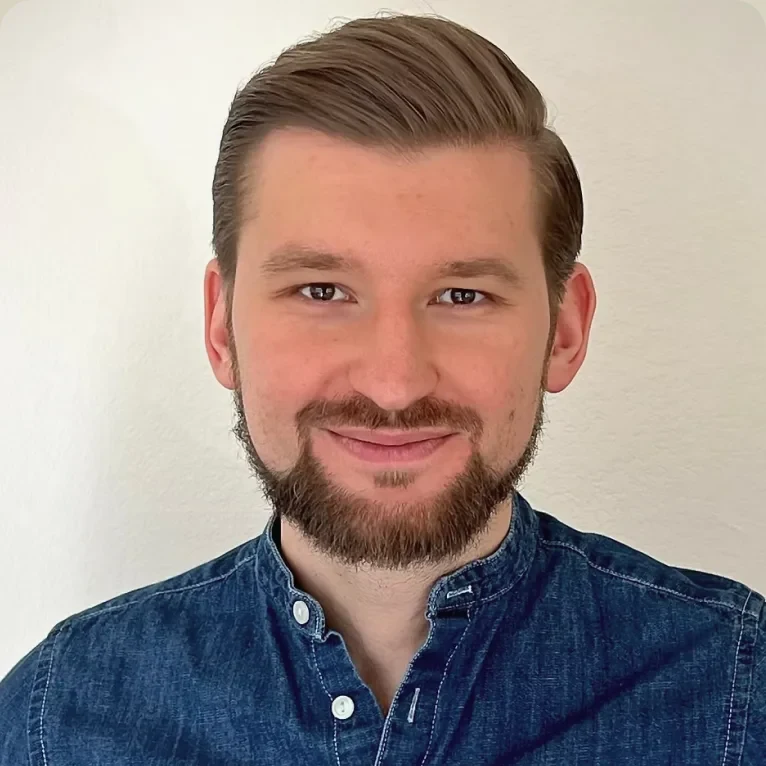
Working with a somatic therapist in Denver
I’m Dennis Guyvan, MA, LPCC — a somatic therapist and founder of Embodied Integrations. If what you just read resonates with you, IFS therapy in Denver may help you move from understanding your patterns to actually changing them. Sessions are available in person in Denver and online anywhere in Colorado.


