
Trauma can leave a person feeling divided inside. One part may want closeness while another pulls away. One may understand that the danger has passed, yet another remains tense, watchful, or ready to react. These conflicting responses are not signs of weakness. They are often protective patterns that developed when the mind and body were

When Understanding Isn’t Enough You can understand yourself perfectly and still feel stuck. You can explain why you overthink, why you shut down, why certain people or moments trigger you — and yet, when life happens, the old reactions come back like reflexes. It’s not a failure of willpower. It’s your system doing exactly what

When “Working on Yourself” Stops Working You’ve read the books. You’ve journaled, meditated, maybe even done talk therapy. You understand your patterns — why you overthink, withdraw, or push yourself too hard. And yet, when stress hits or conflict arises, your body still reacts before your mind can help. It’s like something inside takes over — faster

Have you ever wondered why certain memories still feel so raw, even after years have passed? Or why anxiety and depression sometimes seem immune to logic or willpower? If so, you’re not alone—and more importantly, there are effective ways to heal that go beyond traditional talk therapy. Trauma, anxiety, and depression are among the most
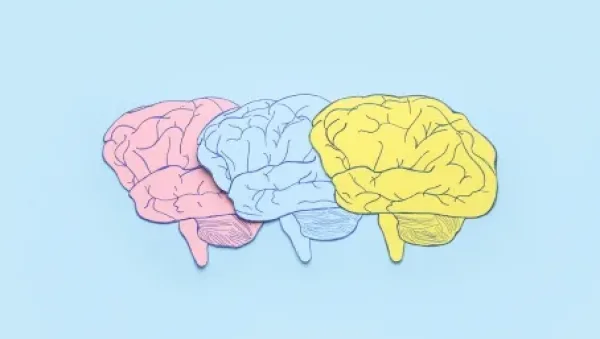
Introduction: Why Combining Approaches Matters Trauma is not only a story we remember but also an imprint that lives in our nervous system. Traditional talk therapies often focus on insight and meaning, while somatic therapies emphasize bodily release. Yet neither alone is always sufficient. Healing requires both access to the implicit memory stored in the

Internal Family Systems (IFS) is a modern, non-pathologizing psychotherapy that views the mind as an inner ecosystem of “parts” guided by a central Self. Rather than suppressing symptoms, IFS helps protective parts relax, wounded parts heal, and Self-leadership emerge — creating changes that last because the whole system reorganizes, not just a single behavior. Where IFS Comes From