


The vagus nerve plays an important role in communication between the brain and organs involved in heart rate, breathing, digestion, and other automatic functions. It is also a major pathway within the parasympathetic nervous system, which supports rest, recovery, and digestion. Vagus nerve exercises cannot switch stress off instantly or manually control one nerve. However,


You may feel calm one moment and overwhelmed the next. A minor conflict can leave you tense for hours, while stress sometimes makes you feel numb, exhausted, or disconnected. These experiences are often described as nervous system dysregulation. A dysregulated nervous system is not a formal mental health diagnosis. It is a practical way to

You may understand why you feel anxious, shut down, or overwhelmed and still notice that your body reacts before your thoughts can catch up. Your chest tightens, your shoulders brace, your breathing changes, or you suddenly feel disconnected. So, what is somatic therapy? It is a form of psychotherapy that includes the body in the

The window of tolerance describes the range of emotional and physiological activation in which you can remain present, think clearly enough, and respond with some degree of choice. Inside this window, you can experience stress, sadness, anger, excitement, or fear without becoming completely overwhelmed or disconnected. Above the window is hyperarousal, where the system has

A nervous system reset is not a button that instantly removes stress. It is a short sequence of actions that helps your body recognize the present moment, respond to available safety cues, and move toward a more manageable level of activation. Sometimes that means calming a racing heart or tense muscles. At other times, it

Introduction Trauma therapy is not one-size-fits-all. EMDR, Brainspotting, and Somatic Therapy can all support healing, but they work through different pathways in the brain, body, and nervous system. Why Trauma Needs More Than “Talking About It” Trauma is not only a memory. It can live as a body response, a survival pattern, a relationship wound,

Introduction: The Overlooked Role of the Body in Chronic Pain Chronic pain affects more than 1.5 billion people worldwide and is considered one of the greatest health challenges of our time. Traditional treatments focus on physical injury, inflammation, or degeneration. Yet research shows that many chronic pain conditions persist even when scans or lab tests

Somatic therapy aims to change how your nervous system organizes threat, emotion, and connection — not just how you manage symptoms when they appear. Coping skills are valuable, but they’re typically state regulators: practices you deploy to get through a wave of anxiety, anger, or numbness. Somatic therapy goes deeper by targeting the mechanisms that produce those waves
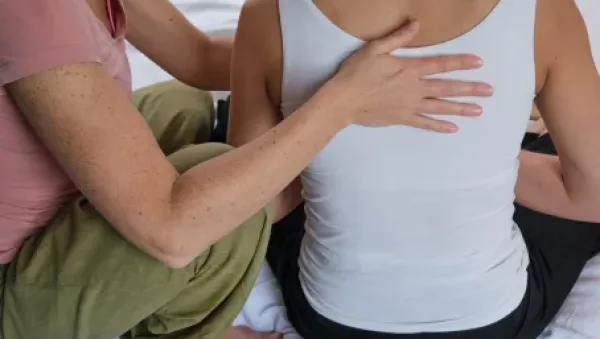
Choosing between somatic therapy and talk therapy isn’t about declaring a winner — it’s about matching the approach to how your nervous system actually experiences stress, emotion, and threat. If your symptoms feel body-led — startle surges, tight chest, jaw clenching, gut knots, numbness or shutdown that arrive before you can think — a bottom-up (body-oriented) start often creates

I. Introduction Have you ever had that moment in therapy where you understand what’s happening—but still feel stuck in the same emotional patterns? You know why you’re anxious. You can name the childhood wound. You’ve said it out loud. And yet… your body still tightens. Your chest still aches. You still freeze, fawn, or shut down
- 1
- 2